Emily Coningham
Treating Therapist
Emily has over 15 years experience within all hospital clinical areas as well as community rehabilitation and management of chronic disease. She has extensive experience (10 years+) as a senior clinician mentoring junior physiotherapists, with seven of those years as a senior physiotherapist with Queensland Health.
Sonia experienced a stroke which resulted in left-sided hemiplegia, significantly impacting her mobility, upper limb function, and independence. Prior to her stroke, she was independent in all activities of daily living and actively engaged in the community. Following discharge home, she required substantial support to complete everyday tasks.
Challenges
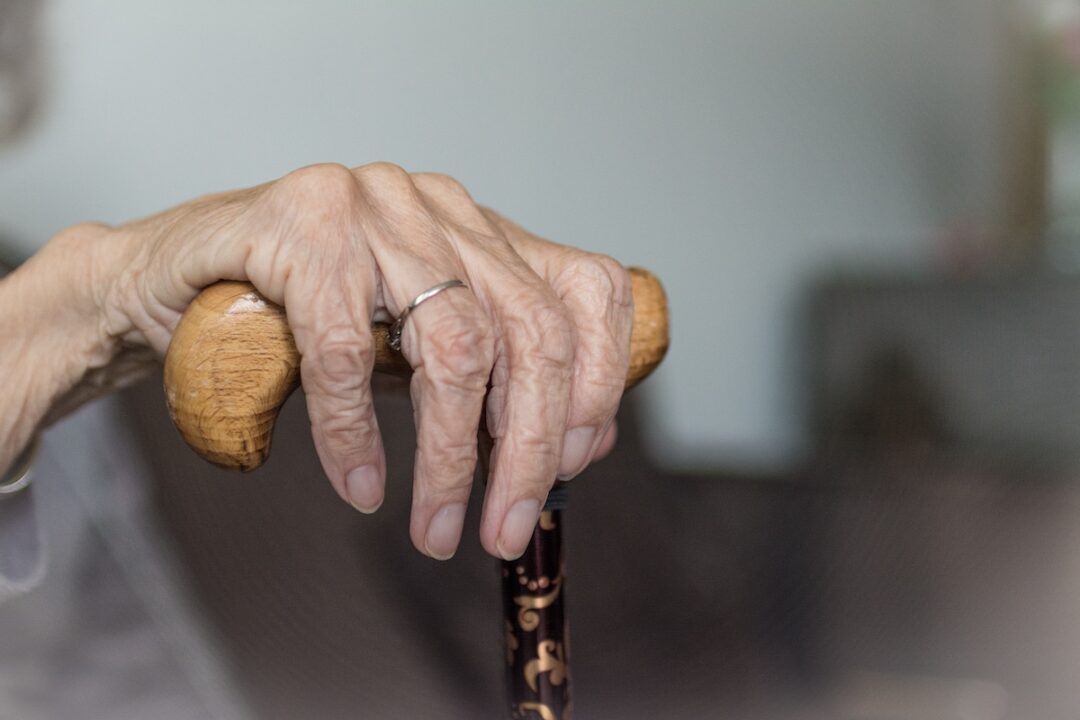
Sonia presented with reduced strength, coordination, and motor control on her left side. She had difficulty with transfers, mobility, and functional use of her upper limb. Fatigue and reduced confidence further impacted her ability to engage in meaningful activities and community participation. There was also an increased risk of falls.
Intervention
A therapy plan was developed and implemented, focusing on:
- Task-specific training to improve functional independence in daily activities
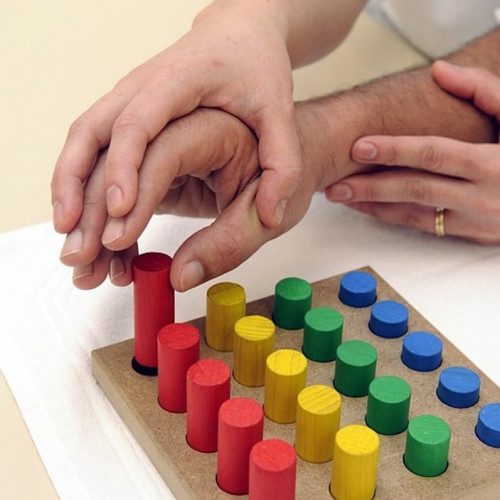
- Upper limb retraining to increase strength, coordination, and functional use of the opposite arm considering she was left-handed prior to stroke and needed to learn how to use her right upper limb for all functional tasks.
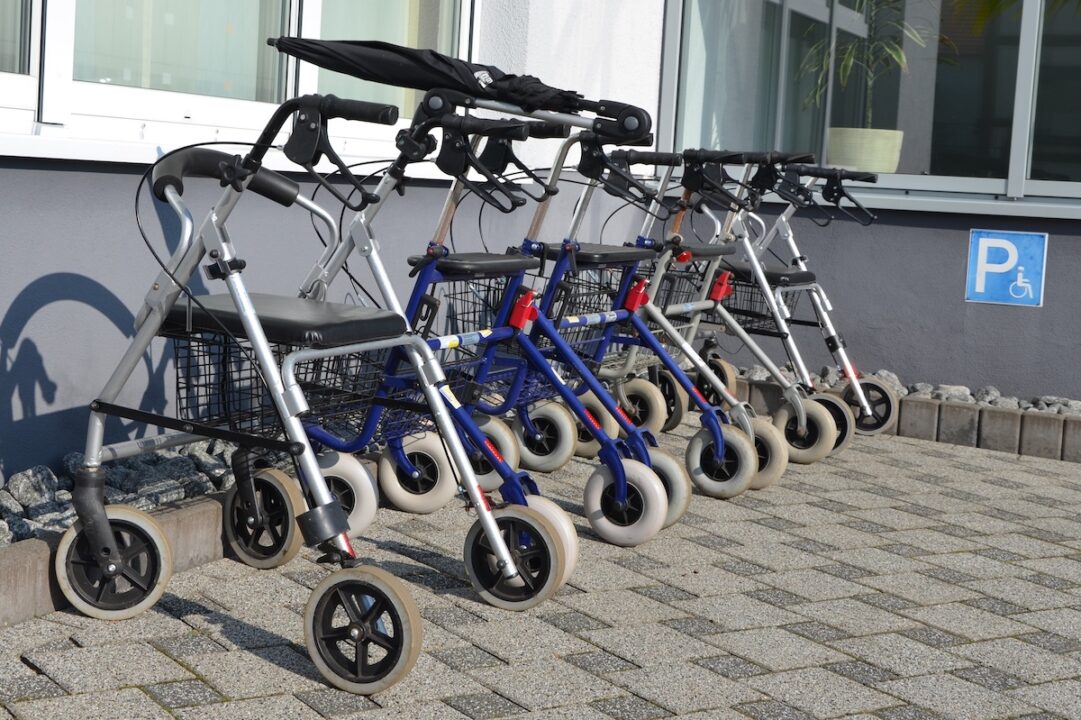
- Mobility and transfer training to improve safety and reduce falls risk
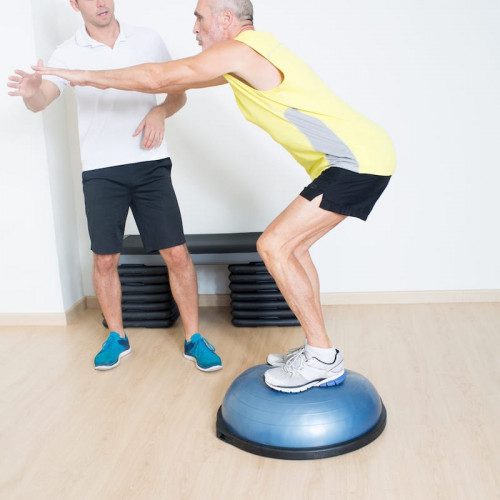
- Balance and postural control exercises
- Cognitive and dual-task activities to support real-world function
- Education for both Michael and his support network to promote carryover

Outcome
Sonia demonstrated gradual improvements in mobility and functional independence. She progressed from requiring significant assistance to completing a number of daily tasks with reduced support. Her confidence improved, and she was able to re-engage in community activities with appropriate supports in place. Ongoing therapy continues to focus on maximising independence and quality of life.
CASE STUDY:Â BOATING ACCIDENT